Here’s the thing nobody tells you about bathroom renovations – they’re trickier than kitchen projects, but follow the same smart planning principles. Most homeowners dive in without proper preparation and end up with budget overruns that could’ve been avoided with this comprehensive list.
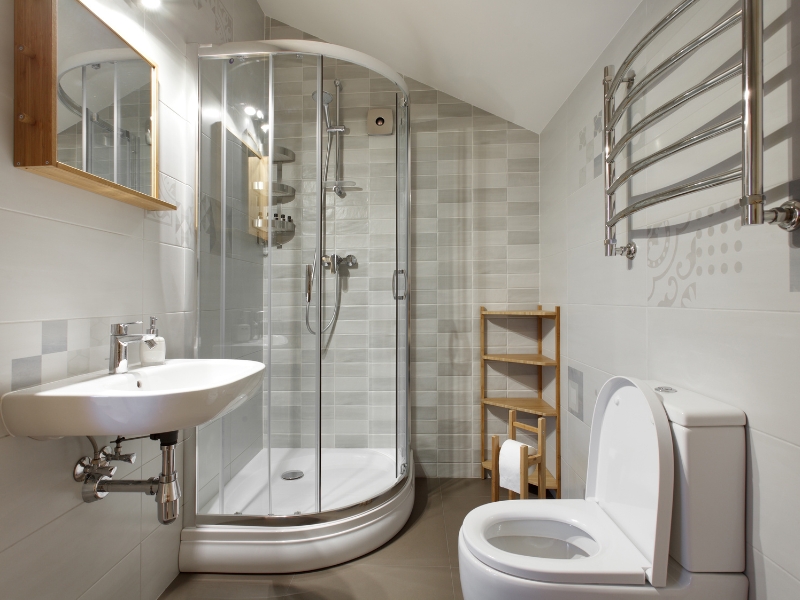
You’ll spend roughly 40-45% of your budget on fixtures and finishes. That’s just how bathroom math works. Kitchen renovation veterans already know this trick – tile and plumbing eat up the biggest chunk of your money, so plan accordingly.
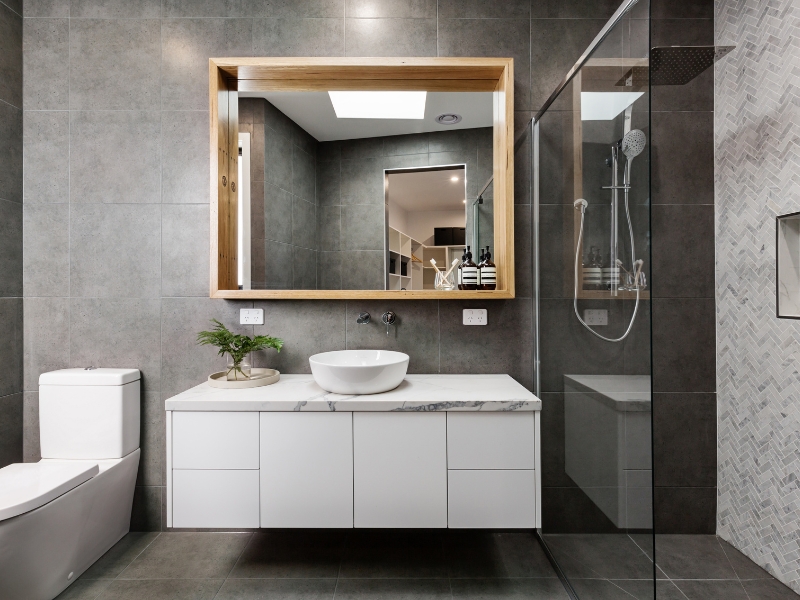
Wall and floor tile runs $8-25 per square foot for decent quality, while luxury options hit $50-100. Don’t be shocked when that “small” bathroom needs $2,000+ in tile alone. Custom vanities start around $1,500 but standard sizes keep costs closer to $500-800. One contractor recently mentioned that plumbing fixtures (faucets, shower heads, toilets) typically run $800-2,500 depending on how fancy you go.
Here’s what most people miss – eco-friendly material choices actually save money long-term through lower water bills. Those WaterSense fixtures aren’t just feel-good purchases; they cut utility costs for years. Kitchen designers have used this strategy forever, and it works perfectly for bathrooms too.
Getting quotes from contractors can be frustrating, but smart homeowners always get three estimates. Here’s why: prices vary wildly, and you’ll spot red flags faster when comparing side-by-side. Quality kitchen contractors often excel at bathroom work since the complexity levels match up well.
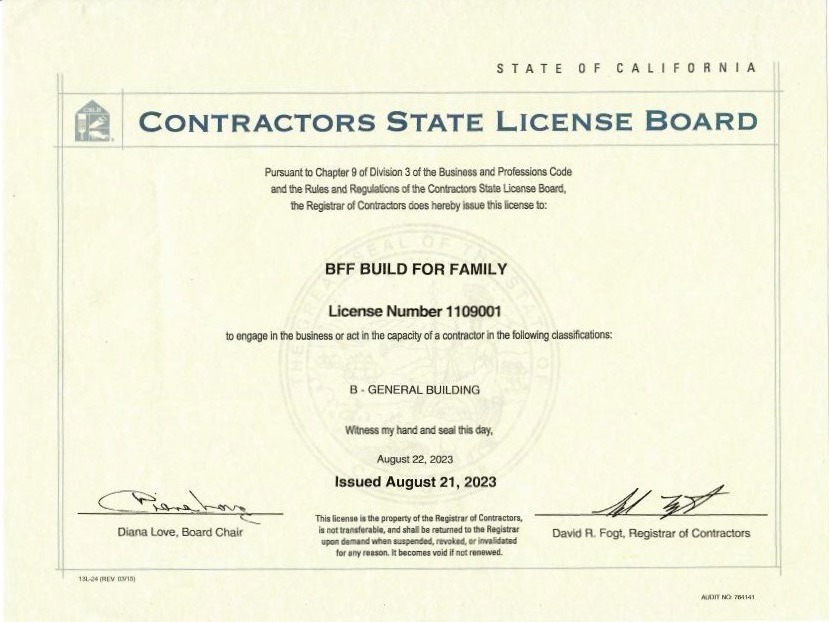
Watch out for contractors who can’t provide detailed material lists or seem vague about timelines. The good ones break down labor, materials, and permits clearly. They’ll also mention potential problems upfront rather than surprising you later. Don’t automatically pick the cheapest bid – that usually leads to corners being cut where you can’t see them.
Local contractors understand building codes better and have supplier relationships that can save money on materials. They also know which inspectors are picky about specific details, which matters more than you’d think.
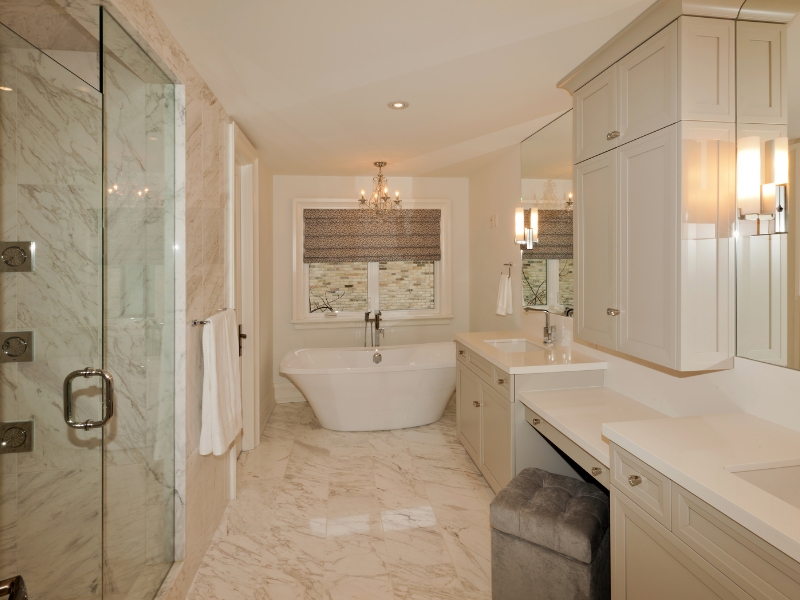
Week 1-2: Planning and ordering sounds boring, but this phase determines everything else. Custom vanities take 6-8 weeks minimum, sometimes longer if there’s a backorder. Kitchen renovation timing rules apply here – order the custom stuff first, standard items later.
Week 3-4: Demo and rough-in work gets messy fast. You’ll need reciprocating saws, tile cutters, and wet saws if going DIY. Most people are surprised by how much professional tool rental costs, but it beats buying equipment you’ll use once. The kitchen renovation crowd figured this out years ago.
Week 5-7: Installation time requires patience. Waterproofing materials matter more than fancy tile – moisture damage costs thousands to fix later. This is where kitchen-level precision becomes crucial. Rush this phase and you’ll regret it.
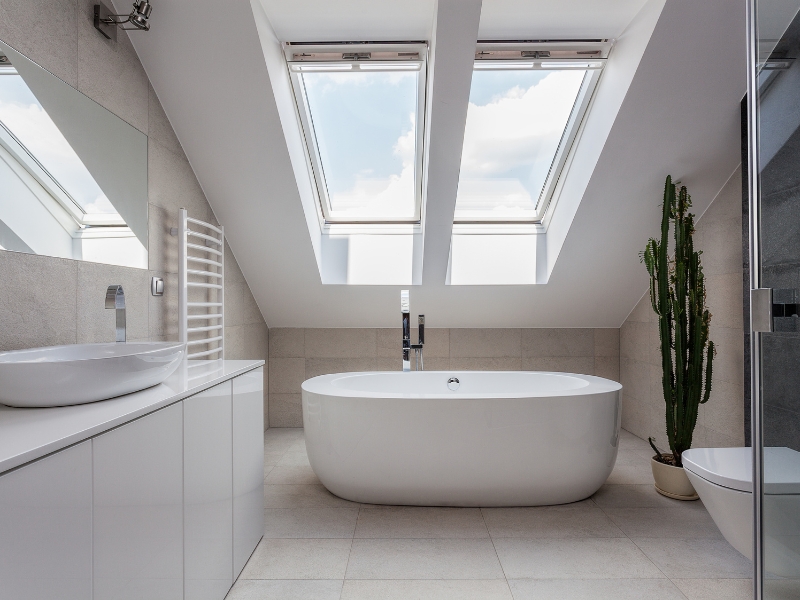
Smart splurging works better than spreading money around randomly. Spend extra on items used daily (shower fixtures, faucets) while going standard on decorative elements nobody really notices. Kitchen renovation budgeting strategies translate perfectly here.
End-of-season sales can cut material costs 20-30%, but timing matters. Sometimes refinishing existing vanities makes more sense than replacement – depends on structural condition. Paint and new hardware transform appearance for fraction of new cabinet costs, just like kitchen makeover approaches.
Mixing one luxury element with budget-friendly selections creates expensive looks without the premium price tag. Focus luxury spending on statement tile or premium shower fixtures while choosing affordable options elsewhere.
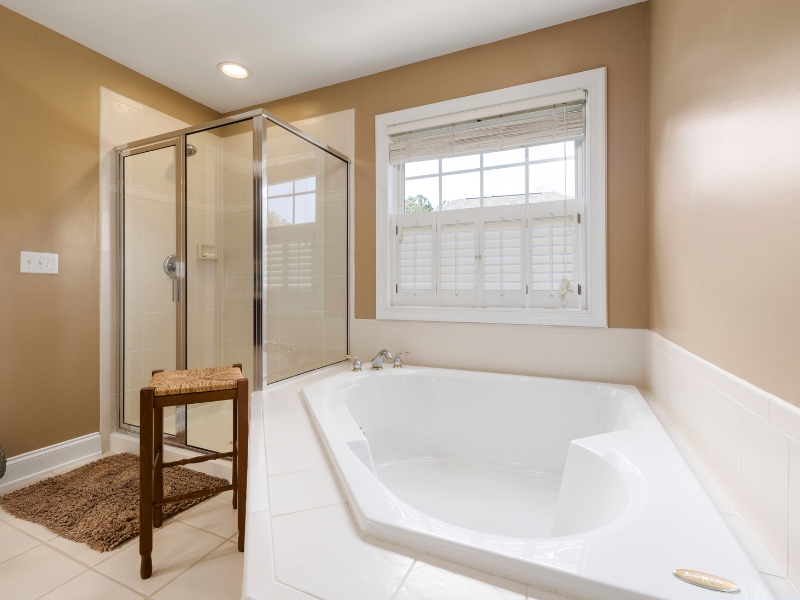
Basic carpentry tools handle most tasks, but bathrooms need specialized equipment. Wet tile saws enable clean cuts that look professional. Oscillating multi-tools work magic in tight spaces around fixtures.
Waterproofing requires specific brushes and rollers – regular painting supplies won’t work properly. Ventilation equipment protects your health during demo phases. Tool rental often beats purchasing since kitchen renovation tool lists overlap significantly with bathroom needs anyway.
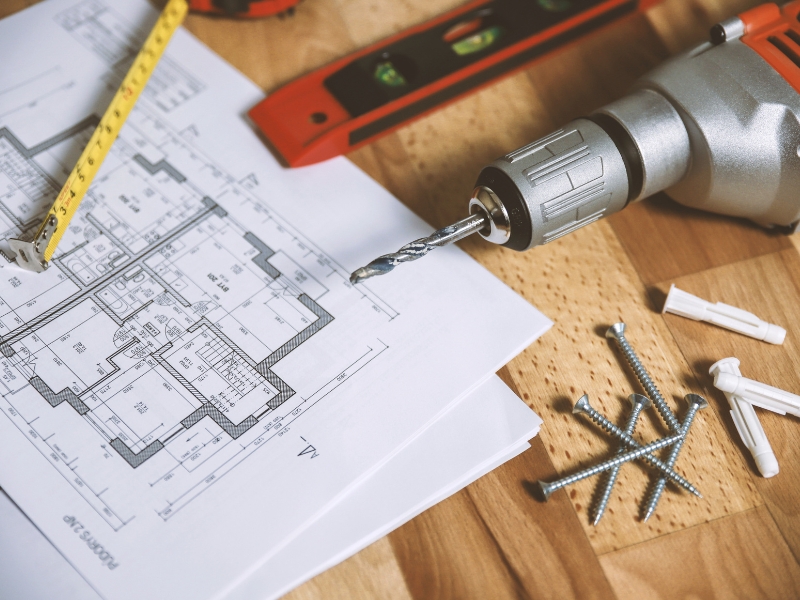
Multiple inspection points prevent expensive surprises later. Water testing catches leaks before walls close up – fixing hidden leaks costs thousands. Final inspections should cover all fixtures, electrical connections, and ventilation systems thoroughly.
Document material warranties and service agreements before making final payments. Taking photos protects against disputes over hidden defects discovered later. Most experienced contractors expect this level of documentation.
Successful bathroom renovation combines careful selection, realistic budget planning, and systematic execution. Following this step-by-step approach delivers beautiful, functional results while controlling costs through smart decision-making rather than hoping for the best.