Galley kitchens get a bad rap, but here’s what contractors don’t tell you – these narrow spaces actually offer the best bang for your remodeling buck. Most homeowners think tiny means boring, but smart galley kitchen ideas can transform your cramped corridor into the most efficient room in your home without breaking the bank.
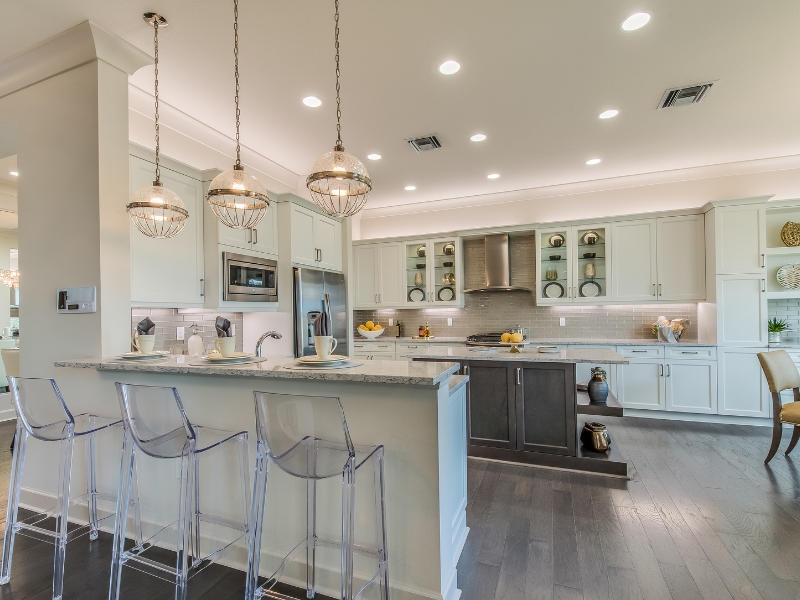
Let’s talk real numbers. A basic galley kitchen remodel averages $8,000-15,000, but you can work magic on much less. The $3,000 route focuses on cabinet painting, new hardware, and creative wall treatments. Spend $6,000-8,000 and you’re looking at new countertops, backsplash upgrades, and maybe one splurge appliance. Go above $12,000 and custom solutions become possible – think built-in storage and high-end finishes that make your tiny kitchen look magazine-worthy.
Here’s the thing about galley kitchen budgets – every dollar shows. Unlike sprawling open-concept spaces where expensive mistakes can hide, your small galley puts everything on display. That’s actually good news because smart choices have maximum impact.
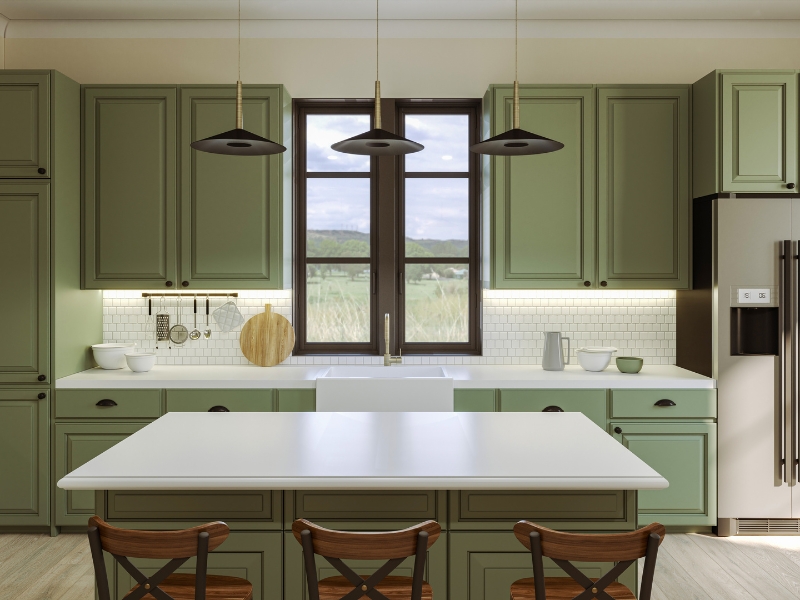
The biggest mistake people make? Trying to copy spacious kitchen ideas in a narrow galley. Your 6-foot-wide corridor needs its own playbook. Modern galley style works best with clean lines, minimal upper cabinets, and strategic color placement. Think flat-panel doors, hidden storage, and light colors that don’t fight for attention.
Traditional galley concepts can work too, but they require restraint. Skip the ornate details and focus on one statement element – maybe gorgeous wood cabinets or a stunning backsplash wall. The key is choosing between modern sleek or traditional warm, not mixing both in a tiny space.
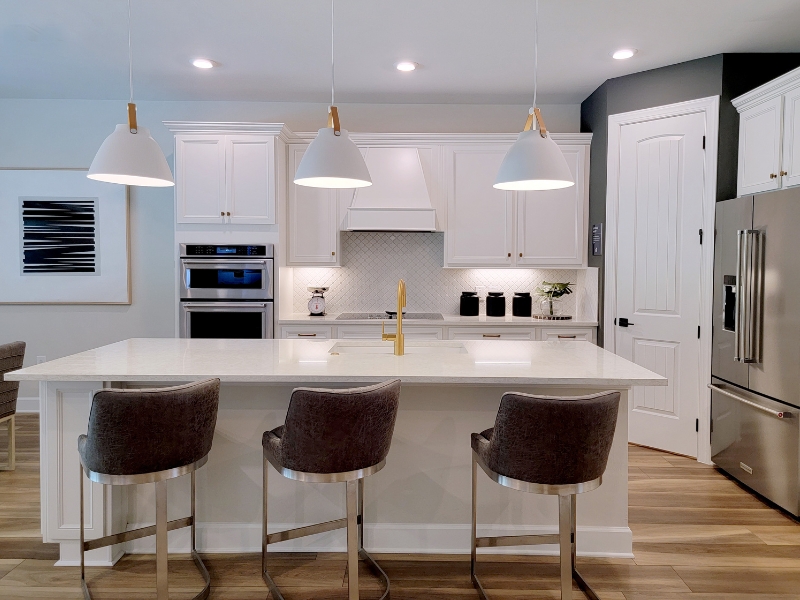
Your galley’s walls are prime real estate, but most homeowners waste them. Smart wall ideas start with the backsplash – extend tile all the way to the ceiling to create height illusion. Skip busy patterns that make small spaces feel chaotic. Instead, choose large-format tiles or subway patterns laid horizontally to visually widen your narrow room.
Upper cabinet placement matters more in galley kitchens than anywhere else. Standard height looks cramped, so take cabinets to the ceiling. Can’t afford custom tall cabinets? Add a crown molding detail to existing ones – it costs under $200 but adds thousands in perceived value. Paint your upper cabinets lighter than lowers to prevent that closed-in feeling.
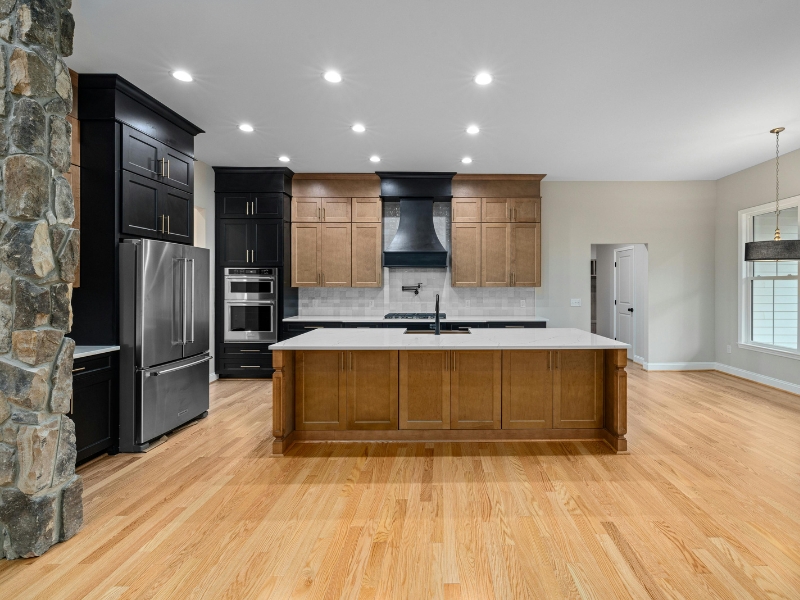
Forget about cramming a traditional kitchen island into your galley – it’ll just create a traffic jam. Instead, consider a rolling cart that tucks away when not needed. Quality options run $300-800 and provide extra prep space plus storage. Position it at one end during cooking, then roll it aside for normal traffic flow.
Another smart alternative? Extend one countertop slightly to create a breakfast bar concept. Even 8-10 inches of overhang provides casual dining space without blocking your walkway. This works especially well at the galley’s end where you have more room to maneuver.
The average homeowner thinks galley kitchen style requires major construction, but smart updates cost surprisingly little. Cabinet hardware replacement runs $150-400 but transforms the entire space. Choose longer pulls on lower cabinets to emphasize horizontal lines, making your narrow room feel wider.
Paint remains your best budget weapon. Dark lower cabinets with light uppers create visual interest without the cost of two-toned custom work. Pro tip: use semi-gloss finish on cabinets in tiny kitchens – it reflects light and wipes clean easily in tight spaces where cooking splatter is unavoidable.
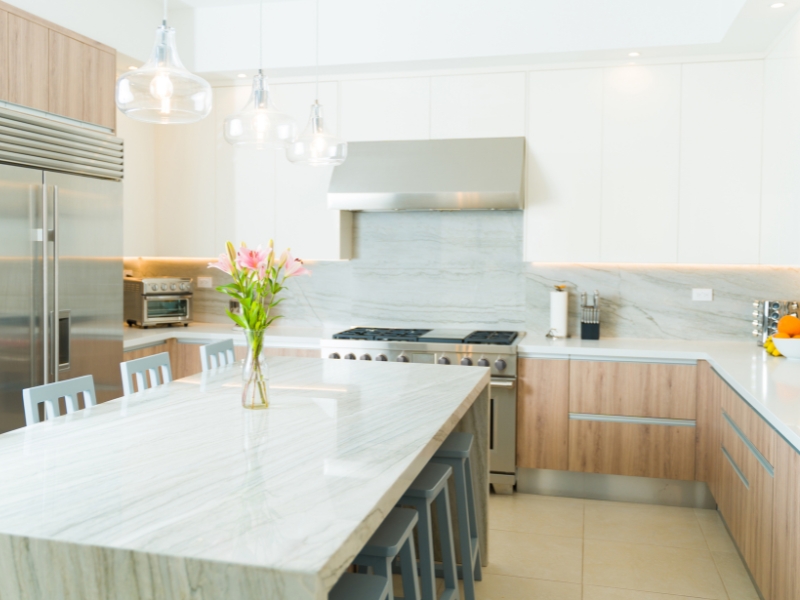
Standard cabinet depths don’t make sense in narrow galley kitchens. Consider reducing upper cabinet depth to 10-11 inches instead of standard 12 inches. This creates more head clearance while still providing storage. The trade-off in storage space gets offset by better functionality in your compact room.
Drawer-style lower cabinets beat traditional doors every time in galley layouts. You’ll access items easier without playing Tetris with pots and pans. Soft-close mechanisms cost extra but prevent cabinet door dings in narrow spaces where you’re constantly brushing against surfaces.
Your galley kitchen shouldn’t exist in isolation. If your home features modern elements elsewhere, carry those concepts into the kitchen through consistent hardware, color palettes, and material choices. Traditional home? Your galley can embrace classic elements while staying functional.
The trick is selecting one cohesive style concept and sticking with it. Mixed messages look especially chaotic in small spaces where every element is visible simultaneously.
Smart galley kitchen remodeling isn’t about having the biggest space – it’s about maximizing what you’ve got. Focus your budget on elements that improve daily function while creating visual impact. With the right ideas and realistic cost expectations, your narrow kitchen can become your home’s hardest-working and best-looking room.