This comprehensive step-by-step guide walks beginners through every renovation phase, from planning to final inspection. Whether working with a budget or planning luxury upgrades, understanding each step ensures project success.
Successful home renovation begins with thorough planning. Define your goals clearly – updating a single room, adding outdoor space, or complete house transformation? Document current conditions with before photos, invaluable when seeking contractor estimates and during final inspection.
Developing a realistic budget forms your renovation planner cornerstone. Research costs for similar projects, considering affordable options and premium finishes. Many beginners underestimate expenses, so add 20% buffer to your initial estimate for unexpected discoveries. This planning phase takes 4-6 weeks but prevents future headaches.
Consider required work scope. Simple cosmetic updates like painting transform spaces affordably, while structural changes need professional expertise. Custom solutions cost more than standard options but deliver personalized results matching your lifestyle.
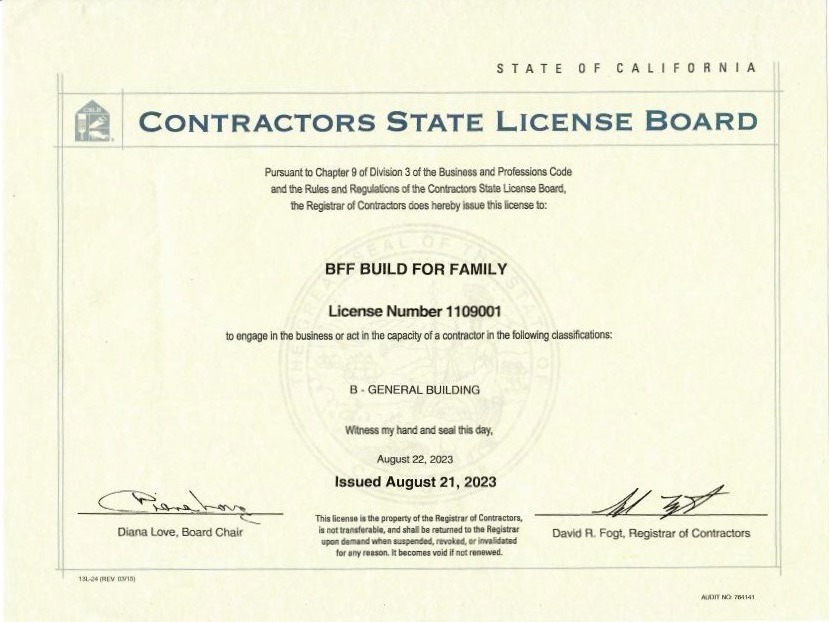
Finding right contractors significantly impacts renovation success. Start by asking neighbors and friends for recommendations. Online platforms help locate experienced remodelers near you, but verify credentials, licensing, and insurance coverage.
When interviewing potential contractors, focus on their experience with similar projects. A company specializing in luxury renovations may not suit budget-conscious homeowners, while contractors focused on affordable remodeling might lack high-end experience. Request detailed estimates from three different remodelers to compare pricing and approaches.
The estimate process reveals contractor professionalism. Quality professionals provide itemized proposals, explain timelines, and discuss potential challenges upfront. They should outline inspection procedures and quality control measures. Avoid significantly low-cost bids, as they often indicate cut corners.
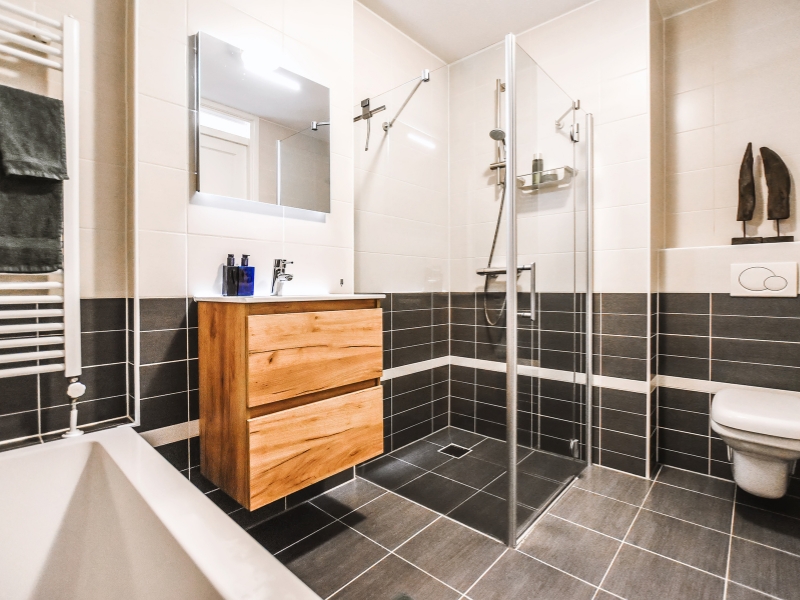
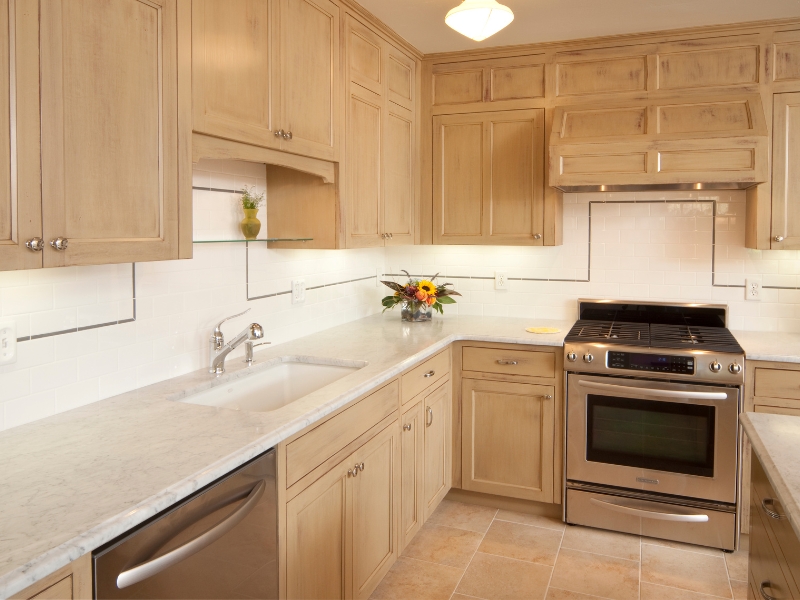
This phase transforms vision into actionable plans. Whether working with professional designers or developing ideas independently, create cohesive designs blending functionality with aesthetic appeal. Consider eco-friendly options reducing environmental impact while qualifying for rebates.
Material selection dramatically affects cost and timeline. Standard materials ship quickly and cost less, while custom options require longer lead times but offer unique results. Balance luxury finish desires with budget realities, remembering strategic splurges in key areas create maximum impact.
Smart planning prevents delays. Order long lead-time materials first, typically 8-12 weeks before installation. This includes custom cabinetry, specialty windows, and unique fixtures. Standard materials like flooring and paint can be ordered closer to installation dates.
Construction follows specific sequences beginners must understand for effective progress monitoring. Work typically begins with demolition and structural modifications, followed by rough-in electrical, plumbing, and HVAC systems. These hidden systems must pass inspection before closing walls.
Once rough-in work approval, insulation and drywall installation create finished surfaces. Next comes priming and painting, completed before flooring installation preventing damage. Floor installation occurs near the end minimizing construction traffic wear.
Cabinet installation, fixture mounting, and appliance connections represent final construction steps. Each trade coordinates carefully avoiding conflicts and completed work damage. Professional project managers excel at orchestrating complex schedules, while DIY renovators must plan sequences carefully.

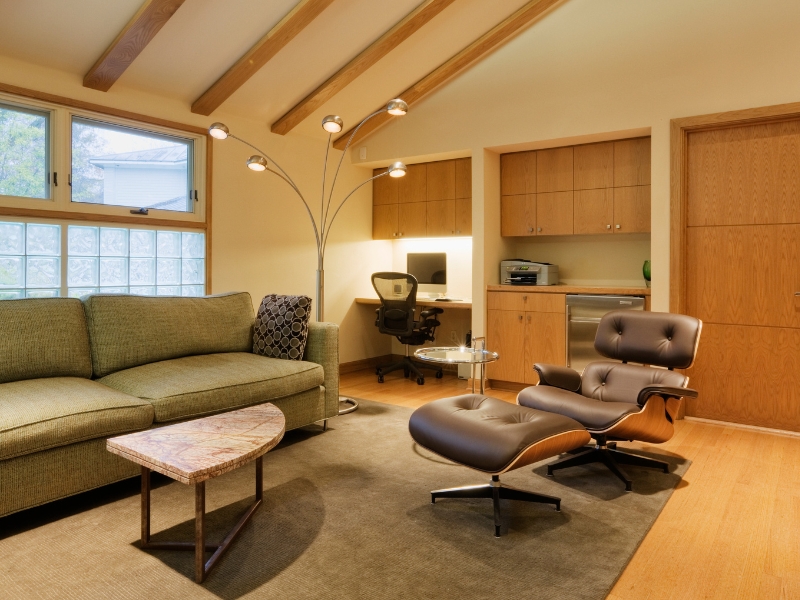
Completion phase focuses on details transforming construction sites into livable spaces. Trim installation, hardware mounting, and final paint touch-ups bring professional polish. Light fixture installation and switch plate mounting complete electrical work.
Create detailed punch list documenting remaining items requiring attention. Walk through each space systematically, testing all systems and examining finishes closely. Quality contractors welcome this process addressing issues promptly. Final inspection by local officials confirms work meets code requirements.
Document finished projects with after photos showcasing transformation. These images prove valuable for insurance and future reference. Collect warranty information and maintenance instructions for new systems.
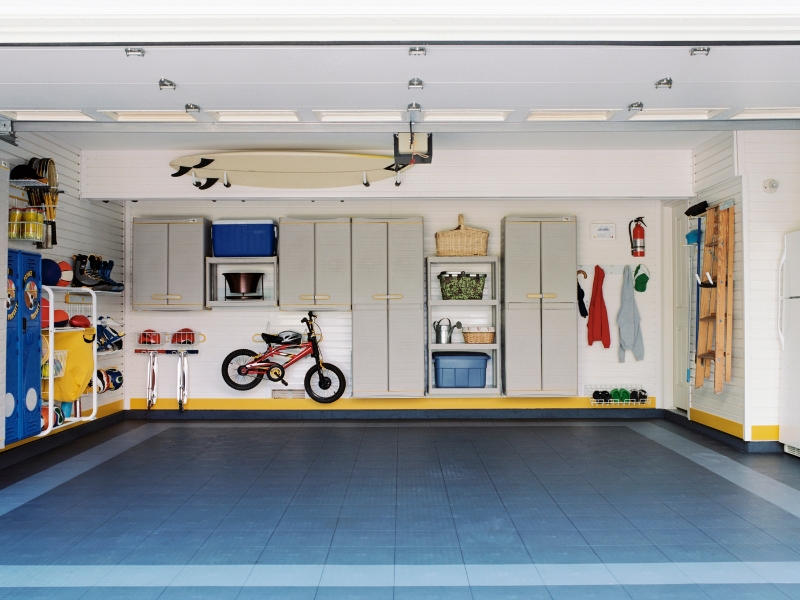
Successful renovations require realistic expectations and flexible problem-solving. Delays occur due to weather, material availability, or unexpected discoveries. Budget-conscious homeowners reduce costs handling easy tasks like painting preparation, while leaving complex work to expert professionals.
Communication remains crucial throughout. Regular contractor check-ins prevent small issues becoming major problems. Document original plan changes in writing, including cost impacts and timeline adjustments.
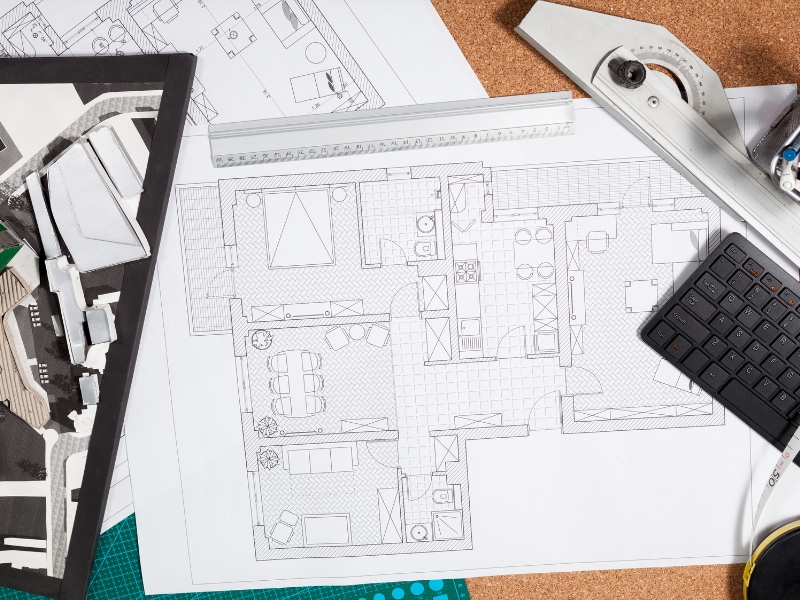
Your home renovation represents significant time and resource investment. Following this step-by-step approach ensures confident navigation, whether you’re a beginner tackling first projects or planning another transformation. With proper planning and quality execution, renovation delivers dream homes while adding lasting value.