Converting your garage into living space delivers exceptional bang for your remodeling buck. Most homeowners are shocked their unused garage can become a master suite, home office, or rental unit for far less expense than adding new square footage. Here’s the real price breakdown contractors won’t tell you upfront.
The average garage remodel runs $15,000-40,000, while building new rooms costs $80,000-150,000. Your garage already has walls, roof, and electrical access – half the work done. Smart homeowners recognize this financial advantage and prepare accordingly.
Location matters enormously. Converting garage space in expensive markets like California often adds $50,000-100,000 in home value, making the price investment logical. Even modest markets see $25,000-50,000 increases from professional conversions.
The preparation phase determines everything. Rush demolition without permits and you’ll face expensive corrections later. Proper preparation keeps expenses predictable.
Basic conversion focusing on insulation, drywall, and flooring runs $15,000-25,000. This price works for home offices or casual living areas. Handle painting yourself and choose budget flooring to control expenses.
Mid-range conversions including bathroom addition and HVAC integration run $25,000-40,000. This price tier creates legitimate bedrooms or rental units. Professional contractors handle complex systems while you manage finishes to control expenses.
High-end garage remodel projects with custom features start around $40,000. These create independent living units commanding premium rental rates. Higher investment makes sense when rental income covers expenses within 3-5 years.
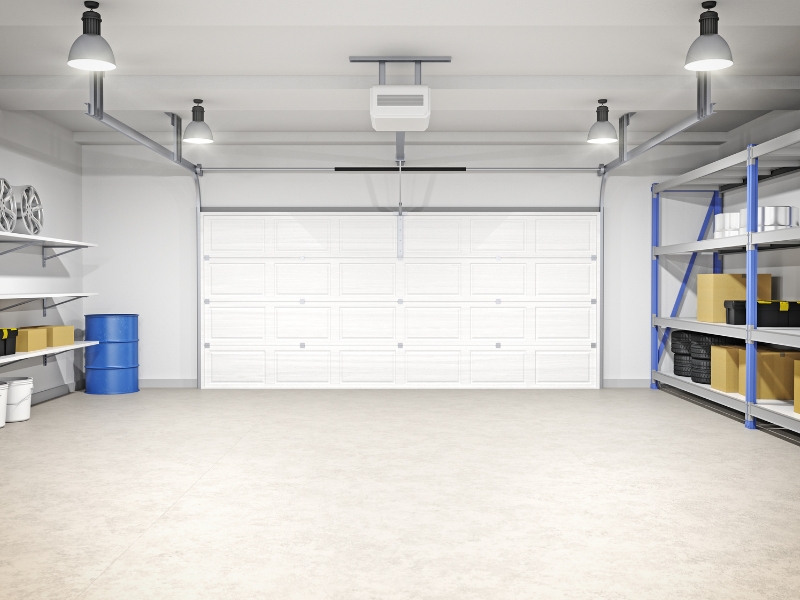
Ceiling height determines conversion options and budget implications. Standard 8-foot ceilings work fine. Low ceilings require expensive structural modifications, limiting your options.
Foundation work creates major budget variables. Concrete floors need insulation, moisture barriers, and subflooring, adding $3,000-8,000 to price. Proper preparation prevents moisture problems requiring thousands later.
HVAC decisions affect upfront expense and comfort. Extending existing ductwork runs $2,000-5,000 while mini-split systems cost $3,000-7,000. Choose based on climate and intended use.
Electrical upgrades exceed initial estimates. Garages have minimal service adequate for cars but inadequate for living space. Budget $3,000-8,000 for proper electrical work including outlets and lighting circuits.
Most conversions require permits running $500-3,000 plus review fees. Homeowners skip permits to save money, creating expensive problems during sales or insurance claims.
Window requirements affect safety and expense. Bedrooms need specific sizes for emergency exit. Adding windows runs $800-2,500 each, but proper placement prevents costly modifications later.
Insulation requirements differ from home standards. Garage walls lack adequate insulation, requiring $2,000-5,000 upgrades. Include proper vapor barriers meeting local codes.
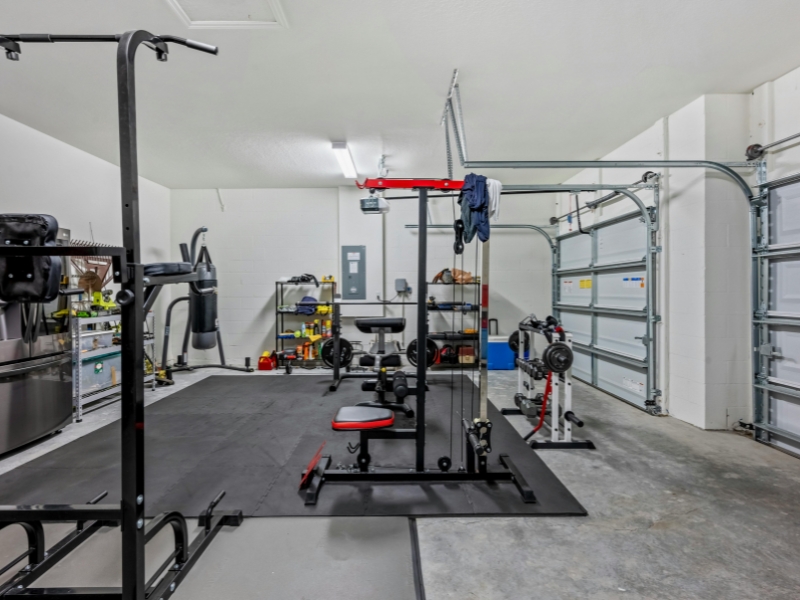
Timing projects during contractor off-seasons reduces labor expense by 10-20%. Winter months offer better pricing. Schedule major work during these periods to control budget without sacrificing quality.
DIY preparation and basic work saves thousands. Handle demolition, painting, and simple installations while leaving electrical and structural work to professionals. This cuts expenses while ensuring compliance.
Material selection dramatically impacts final price. Choose mid-grade finishes that look expensive but aren’t. Focus splurge items carefully – concentrate spending on daily-use elements.
Phased construction spreads expense over time. Convert basic shell first, add bathroom or luxury features later. This approach makes large projects manageable.
Underestimating insulation creates ongoing comfort and energy problems. Proper preparation addresses thermal barriers upfront rather than expensive fixes later.
Ignoring moisture control leads to mold and structural damage requiring tens of thousands. Factor moisture management into budget from day one.
Inadequate storage preparation forces expensive additions later. Address replacement storage during initial construction to avoid additional work.
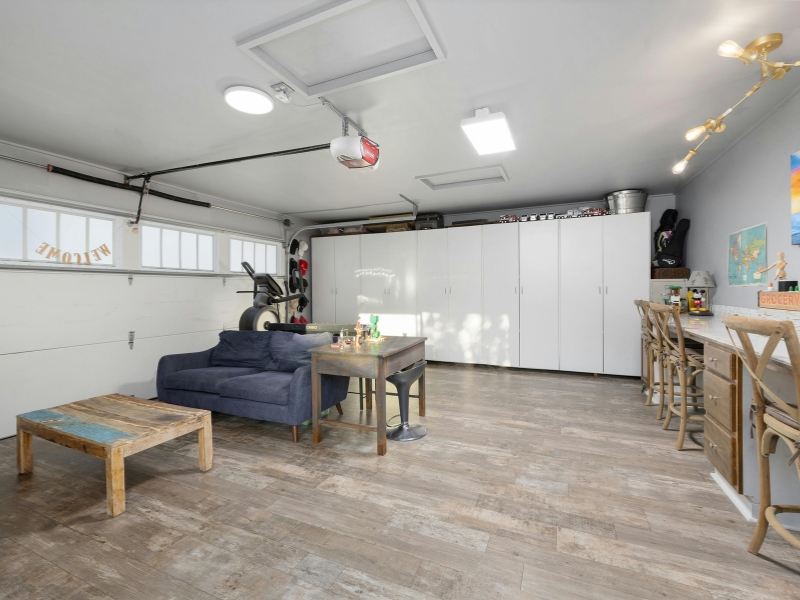
Calculate ROI based on your situation. Rental conversions should generate monthly revenue recovering investment within 5-7 years. Personal use provides lifestyle benefits justifying expense through daily enjoyment.
Professional design services run $2,000-8,000 but ensure proper space layout and code compliance. This upfront investment prevents expensive mistakes.
Market timing influences value. Hot markets reward conversions with higher increases. Schedule major investments during upswings to maximize return.
Garage remodel into living space offers exceptional value when executed properly. Focus on structural requirements and permit compliance. Control expense through smart selections and strategic DIY while investing in professional expertise for complex systems.